
Travertine or limestone — which should you specify?
The short version
Travertine is a form of limestone that forms around mineral springs, which gives it natural holes and banding. Limestone is usually finer and more even. Neither is stronger or less porous by default, because both vary by quarry. Choose by look, then compare samples in the finish you plan to use.
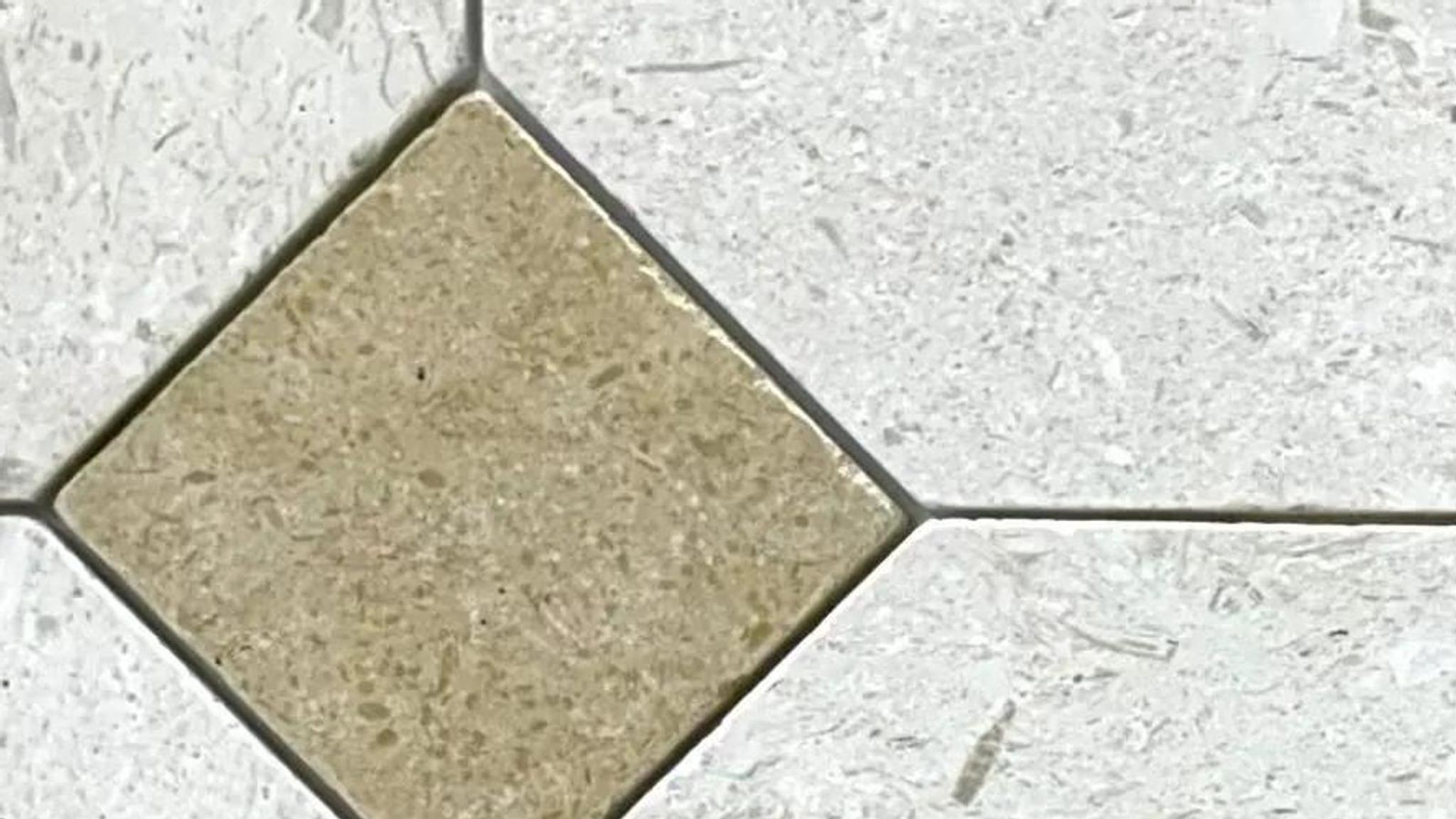
Is travertine a type of limestone?
Yes. Travertine is a form of limestone, and both are mostly calcium carbonate. The difference is how they form. Most limestone builds up on the seabed. Travertine forms on land, where mineral-rich water from hot springs deposits layers of stone. Gases and plant matter leave the holes that give travertine its character.
The trade treats them as separate materials, and ASTM has a separate specification for each: C1527 for travertine and C568 for limestone.
How do travertine and limestone compare?
| Feature | Travertine | Limestone |
|---|---|---|
| How it forms | On land, around mineral springs | Mostly on the seabed |
| Surface | Natural holes and banding | Finer and more even |
| Range within the family | Varies by quarry and by cut | Very wide, from soft to dense |
| Reaction to acids | Etches, like all calcium carbonate stone | Etches, like all calcium carbonate stone |
| US specification | ASTM C1527 | ASTM C568 |
Is limestone less porous than travertine?
Not as a rule. Many guides say that limestone absorbs less water than travertine, but limestone covers too wide a range for that to hold. Holes on the surface of travertine are not the same thing as absorption through the body of the stone.
ASTM C568 shows how wide the limestone family is. It divides limestone into three types by density, and allows water absorption of up to 12% for low-density limestone, 7.5% for medium density and 3% for high density. A dense limestone and a soft one behave very differently, so compare the two actual stones and do not rely on the names.
Which is more durable?
Neither is more durable by default. Both are softer than granite, and both vary by quarry, so the better choice depends on the specific stones, the finish and the use.
Both react to acids, because both are calcium carbonate. Lemon juice, wine and acidic cleaners can mark the surface, so use pH-neutral cleaners and seal both stones to suit the location.
Which is better around a pool?
Both are used around pools, so check the stone and not the category. Before you choose, check these points.
- Grip on the actual finish. Tumbled and brushed surfaces usually give more grip than honed ones.
- A dense stone suited to freezing conditions, if the site freezes.
- A sealing plan that suits the pool water.
- Colour. Paler stone usually stays cooler in direct sun.
Travertine has one extra decision: whether it should be filled. See our guide to filled and unfilled travertine.
Which is better for floors and walls?
- Calm, even interiors: limestone often gives a quieter surface with less pattern.
- Warm, textured interiors: travertine brings more movement and depth.
- High-traffic floors: both stones vary, so choose the stone and the finish with care. Honed or brushed surfaces hide wear better than polished ones.
- Feature walls: both work well. Split face and mosaic formats show the character of each stone.
Comparing travertine with marble as well? See marble or travertine.
Choosing between limestone and marble? See limestone or marble.
Does travertine or limestone cost more?
It depends on the stone, grade, format and finish. Sources disagree, and neither stone is always cheaper. Compare quotes for the same size, thickness and finish, and compare the landed cost. Rare limestones and top grades of travertine can both cost more than ordinary grades of the other stone.
How do you choose between them?
Start with the look you want, then check the shortlist against the site.
- Approve physical samples of both stones in the finish you plan to use.
- Check that each stone suits the location: traffic, water, frost and sun.
- Check the colour range across several pieces, not one.
- Agree the sealing and cleaning plan before you order.
Travertine and limestone from our factory
We produce travertine and limestone tile and mosaic at our factory in Denizli, Türkiye, for wholesale and project orders, and we can combine the two in one design. Tell us the stone, size, finish and total quantity, and we will quote for your specification. See travertine from Turkey for what we can produce.
Frequently asked questions
- Are travertine and limestone the same thing?
- Not quite. Travertine is a form of limestone, but it forms on land around mineral springs, while most limestone forms on the seabed. The trade treats them as separate materials.
- Does limestone stain more easily than travertine?
- It depends on the two stones. Both can absorb liquids and both react to acids, so compare samples of both and seal them to suit the use.
- Can travertine and limestone be used together?
- Yes. They are often combined in mosaics and patterned floors. Check that the two stones suit the same location, and approve the combination on a sample.
- Is travertine or limestone more durable?
- Neither by default. Both vary by quarry, so compare samples of the two actual stones, with the finish and use in mind.
Sources
- ASTM C568/C568M, Standard Specification for Limestone Dimension Stone
- ASTM C1527/C1527M, Standard Specification for Travertine Dimension Stone
- Brachot, Travertine: a natural stone with a warm, distinctive character