
How do you seal travertine, marble and limestone?
The short version
Seal travertine, marble and limestone with a penetrating sealer that soaks into the stone and lets it breathe. Apply it to clean, dry stone, wipe off the excess before it dries, and reseal when water drops darken the surface. Outdoors and around pools, choose a breathable exterior sealer. Sealing slows staining but does not stop acid etching.
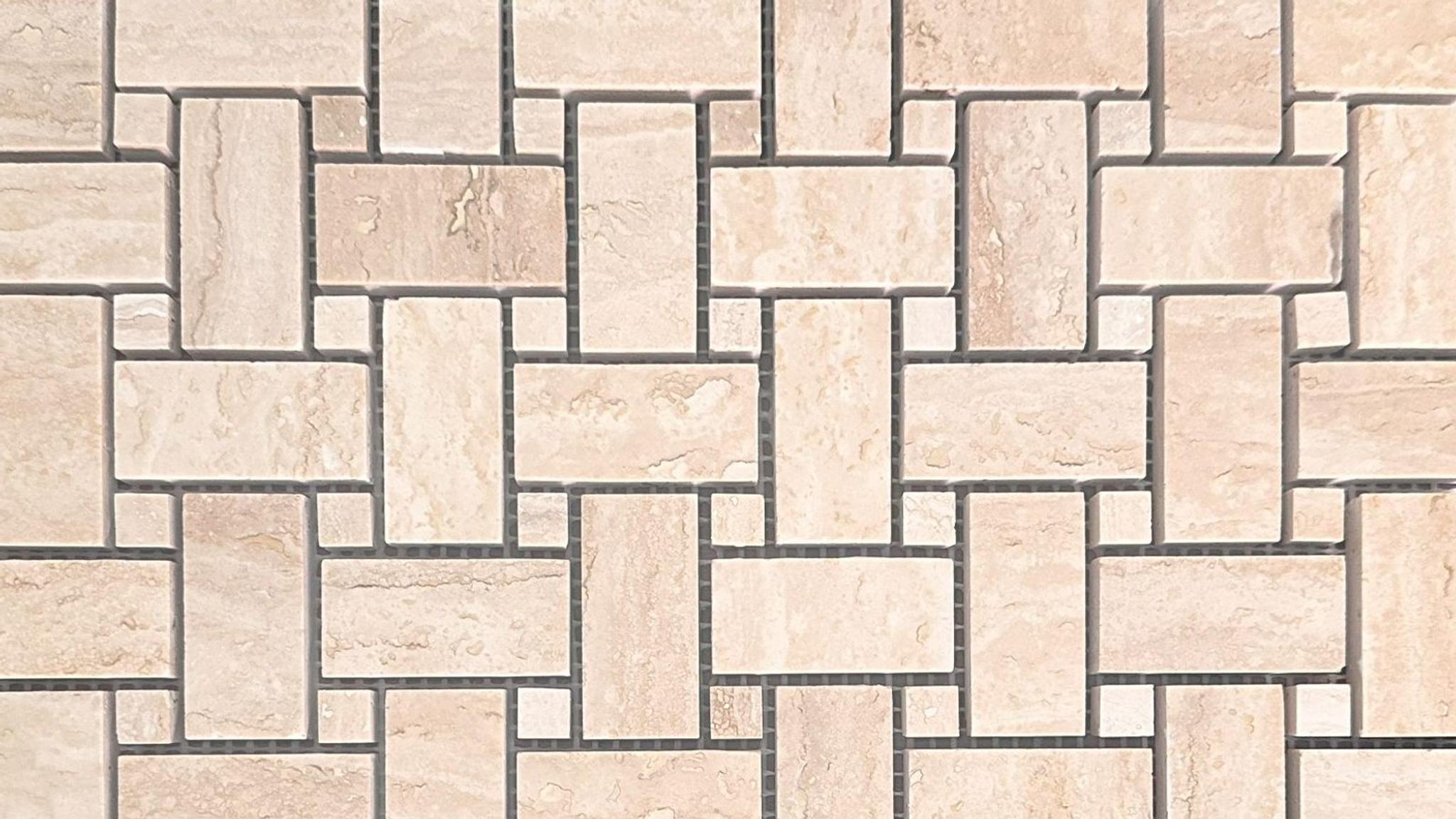
Why do travertine, marble and limestone need sealing?
All three absorb liquids to some degree, so oil, wine, coffee and dirty water can soak in and leave a stain. A sealer slows that absorption and gives you time to wipe a spill up. It does not make the stone stain-proof.
Sealing also does not stop etching. Acids such as lemon juice, vinegar and many limescale removers react with calcium carbonate stone and dull the surface, sealed or not. Only pH-neutral cleaning and quick wiping prevent that.
Which type of sealer should you use?
| Type | How it works | Typical use |
|---|---|---|
| Penetrating (impregnating) | Soaks into the stone and lines the pores; the surface looks unchanged and the stone can still breathe | The usual choice for floors, walls, showers and outdoor paving |
| Enhancing | A penetrating sealer that also deepens the colour, for a "wet look" | Tumbled or brushed stone where a richer colour is wanted; try it on a spare piece first |
| Topical (coating) | Forms a film on the surface, which can change the look and wears in traffic | Rarely right for natural stone floors; outdoors it can trap moisture |
How do you know if stone needs sealing?
Put a few drops of water on the surface and wait a few minutes. If the stone darkens under the drops, it is absorbing and needs sealing. If the water stays beaded on top, the sealer is still working. Check the areas that see the most use, because they wear first.
Finish matters: tumbled, brushed and honed faces take up more than a polished face, so they usually need sealing more often.
How do you seal travertine, step by step?
- Start with clean, dry stone. After installation, let the adhesive and grout cure and the stone dry out as their makers advise.
- Apply the sealer evenly with a brush, roller or applicator, working in small areas.
- Leave it to soak in for the time the sealer maker gives.
- Wipe off all excess before it dries on the surface, or it can leave a haze.
- Apply a second coat if the maker recommends it, then keep the surface dry and free of traffic for the curing time.
On unfilled travertine, work the sealer into the open holes as well as the face.
How do you seal travertine pavers and pool decks?
Outdoors, use a breathable penetrating sealer made for exterior stone, so moisture can escape from below. Avoid film-forming coatings, which can trap water and turn white or peel. Around salt-water pools, choose a sealer suited to salt, rinse the deck with fresh water regularly and expect to reseal more often.
Choosing between filled and unfilled travertine for a pool deck? See our guide to filled and unfilled travertine.
Still choosing the paving? See travertine or porcelain pavers.
How often should you reseal?
There is no single interval. It depends on the stone, the finish, the sealer and the use: a kitchen floor or a shower needs attention sooner than a living-room wall. Use the water-drop check, and follow the sealer maker's guidance. pH-neutral cleaners help a sealer last; harsh or acidic cleaners strip it.
For everyday cleaning, stains and etch marks, see our guide to cleaning travertine, marble and limestone.
Ordering stone for a project
We produce travertine, marble and limestone tiles, mosaics and pavers at our factory in Denizli, Türkiye, for wholesale and project orders. Tell us the stone, finish and where it will be used, and we will quote for your specification. See travertine from Turkey for more.
Frequently asked questions
- Do you need to seal travertine?
- Yes, in most uses. Travertine absorbs liquids, and a penetrating sealer slows that and makes stains less likely. Unfilled travertine should be sealed inside the holes as well.
- Does sealing stop marble from etching?
- No. Sealing slows absorption, but acids still react with marble, limestone and travertine. Wipe acidic spills quickly and clean with pH-neutral products.
- Can you seal travertine in a shower?
- Yes. Use a penetrating sealer suited to wet areas, apply it after the grout has cured, and reseal when water stops beading on the surface.
- What is a wet-look sealer?
- An enhancing sealer that deepens the colour of the stone as well as sealing it. Try it on a spare piece first, because the change is permanent.