Is Turkish marble as good as Italian marble?
The short version
Yes, good Turkish marble is a high-quality stone, but quality depends on the quarry, block and processing rather than the country. Italy has the best-known names and higher average export values. Türkiye has far larger block output and a wide range. Compare the same specification, samples and landed cost.

Is Turkish marble good quality?
Yes. Good Turkish marble is a high-quality building stone. The more useful question is which stone, from which block. Türkiye and Italy both quarry excellent marble and ordinary marble, so the country alone tells you little about a single order.
Quality is decided by the quarry, the block, the cutting and finishing, and the selection before packing. Compare those points, and you will learn more than the country of origin can tell you.
How do Turkish and Italian marble compare?
| Feature | Türkiye | Italy |
|---|---|---|
| Best known for | High output and a wide range of stone | Famous stones, design and finishing |
| Well-known marble names | Afyon, Muğla, Marmara | Carrara, Calacatta, Statuario |
| Block output, all stone (2024) | About 12.5 million tonnes | About 1.7 million tonnes |
| Natural stone exports | $2.08 billion (2025) | €2.18 billion (2024) |
| Average export value | About $555 per tonne, processed marble (2025) | About €1,016 per tonne, all stone (2024) |
The per-tonne figures use different years, currencies and product mixes, so they show the direction and not an exact gap. Neither figure is a price for any one stone.
The two countries meet directly in the US market. US import data for 2025 shows $418.4 million of worked marble and travertine from Italy and $311.2 million from Türkiye, the two largest suppliers in that category.
Why is Italian marble usually more expensive?
Italian marble carries some of the most famous names in stone, and the rarest of those stones sell at a premium. Italy also sells a large share of finished, high-value work: about 80% of its 2024 stone export revenue came from finished and semi-finished products.
That is an average, not a rule. Price depends on the stone, the grade and the format, so some Italian stones cost less than some Turkish ones. Judge the quote in front of you, not the country.
Does "Italian marble" always mean it was quarried in Italy?
Not always. Italy processes imported blocks as well as its own, and in 2025 Türkiye exported $17.24 million of marble and travertine blocks to Italy. A stone can be quarried in one country and cut and finished in another.
Stone names are not proof of origin either. Trade names move between suppliers, and some describe a look rather than a quarry. If origin matters to your project, ask for the quarry country and the processing country separately, in writing, and check them against the shipping documents.
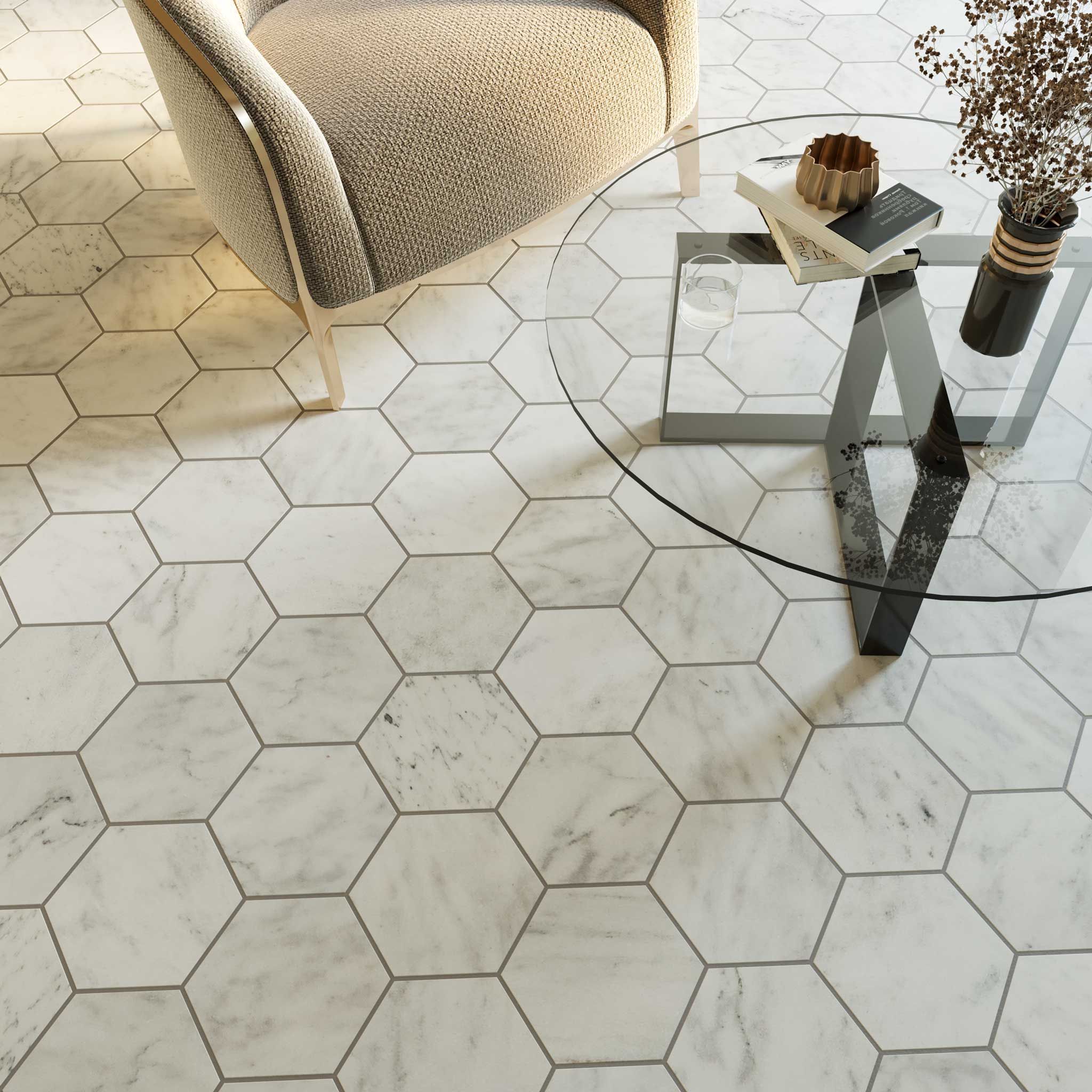
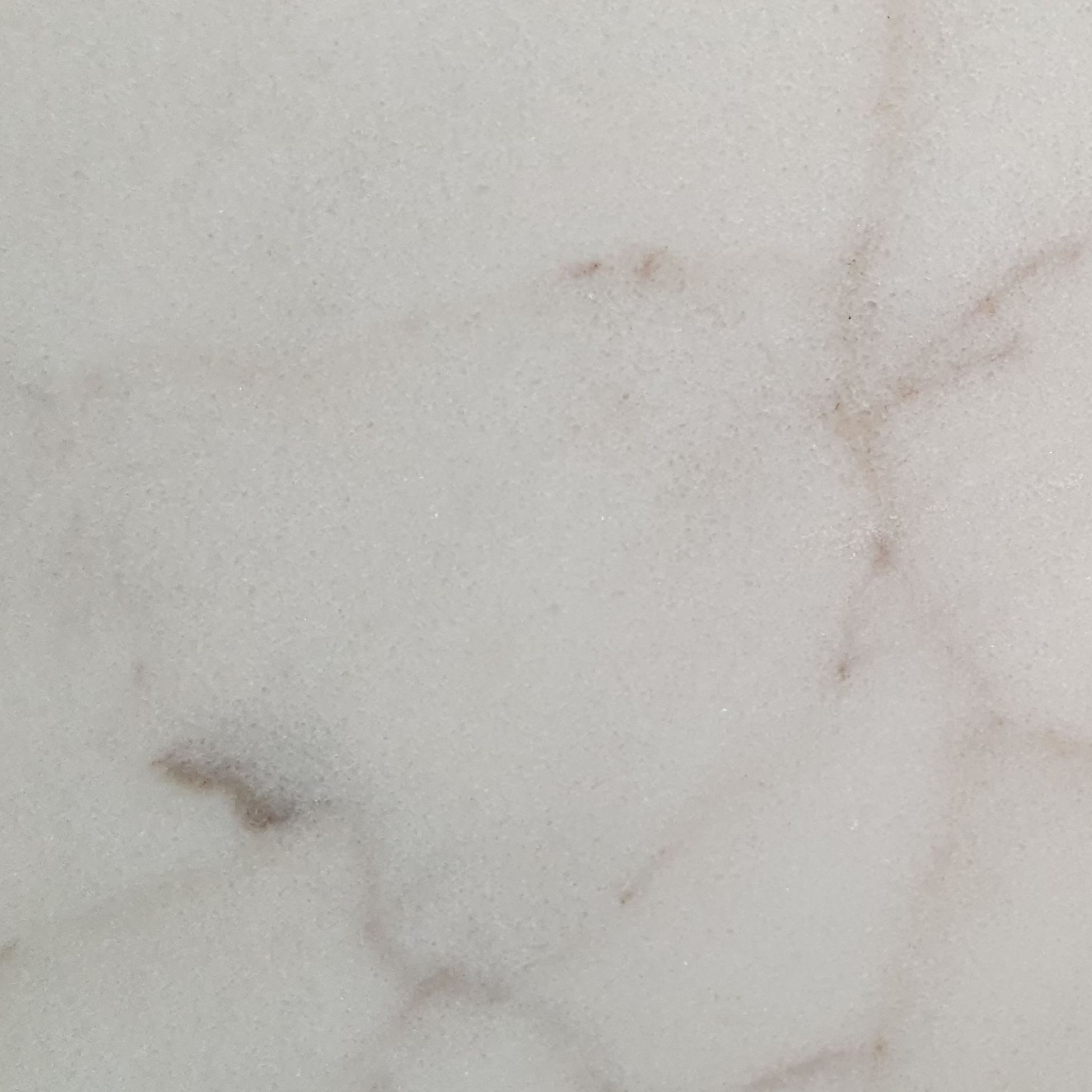
The Carrara and Calacatta stones we make are Turkish marbles named for their look. See Turkish Carrara marble and Turkish Calacatta marble.
How do you judge the quality of marble?
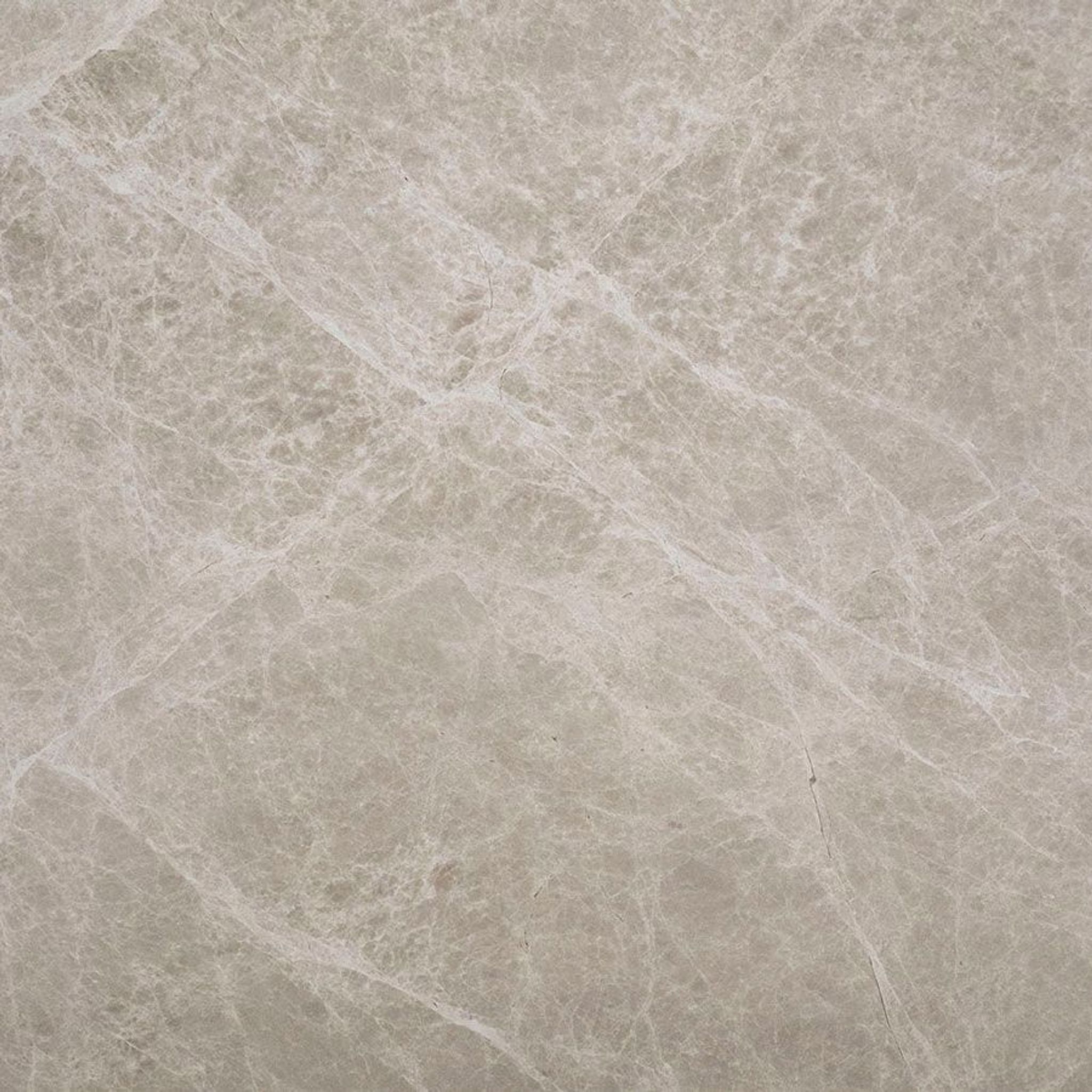
Judge the stone itself, wherever it comes from. Look at several pieces from the material your order will use, side by side, and not at one perfect sample.
- Colour and veining: is the range across the pieces one you can accept on the whole floor or wall?
- Fissures and cracks: are there open lines or weak areas on the face or the edges?
- Finish: is a polished face even, without dull patches or ripples?
- Size and thickness: are the pieces square and even, so that they lay flat?
Which should you choose for your project?
- The specification names a stone: buy that stone. Do not accept a replacement without a sample and written approval.
- The design calls for a look, not a named stone: compare options from both countries on physical samples.
- A large project with one specification: check that the supplier can hold the colour range across the whole quantity, wherever the stone comes from.
- Mosaics and patterned tiles: the cutting and assembly matter as much as the stone. Ask who does this work and see finished sheets.
How do you compare a Turkish and an Italian quote?
Two quotes only compare if they describe the same thing. Make sure both state the following.
- Stone name, grade, and the quarry and processing countries
- Size, thickness, finish and edge detail
- Total quantity and the allowance for cutting and breakage
- An approved sample range
- Packing, delivery term and named port
Then compare landed cost, not the price of the stone alone. Freight and duty differ by origin and change often, so check them with a customs broker. Our guide to importing natural stone from Turkey covers each step.
Marble from our factory in Denizli
We manufacture marble tile and mosaic at our factory in Denizli, Türkiye, for wholesale and project orders. Tell us the stone, size, finish and total quantity, and we will quote for your specification. See marble from Turkey for what we can produce.
Frequently asked questions
- Is Turkish marble cheaper than Italian marble?
- On average, Italian stone exports sell at a higher value per tonne. That does not hold for every stone. Price depends on the stone, grade and format, and on landed cost once freight and duty are added.
- Is Italian marble better than Turkish marble?
- Not by default. Both countries produce excellent and ordinary marble. Italy has the most famous names, and Türkiye has much larger block output and a wide range. Judge the stone on samples.
- Can Turkish marble replace Italian marble in a project?
- Sometimes, if the specification allows it. It will be a different stone with its own look and properties, so approve it on a physical sample before you change the specification.
- Does Türkiye export marble to the United States?
- Yes. The United States is the largest market for Turkish processed marble, at $317.55 million in 2025.