
What are the pros and cons of marble tile?
The short version
Marble tile and mosaic offer natural veining and depth, a high polish, low water absorption and a surface that can be re-honed and re-polished instead of replaced. Their drawbacks: acids etch marble, it scratches more easily than porcelain, it still needs sealing against oil and coloured liquids, polished marble is slippery when wet, and outdoors its surface weathers.
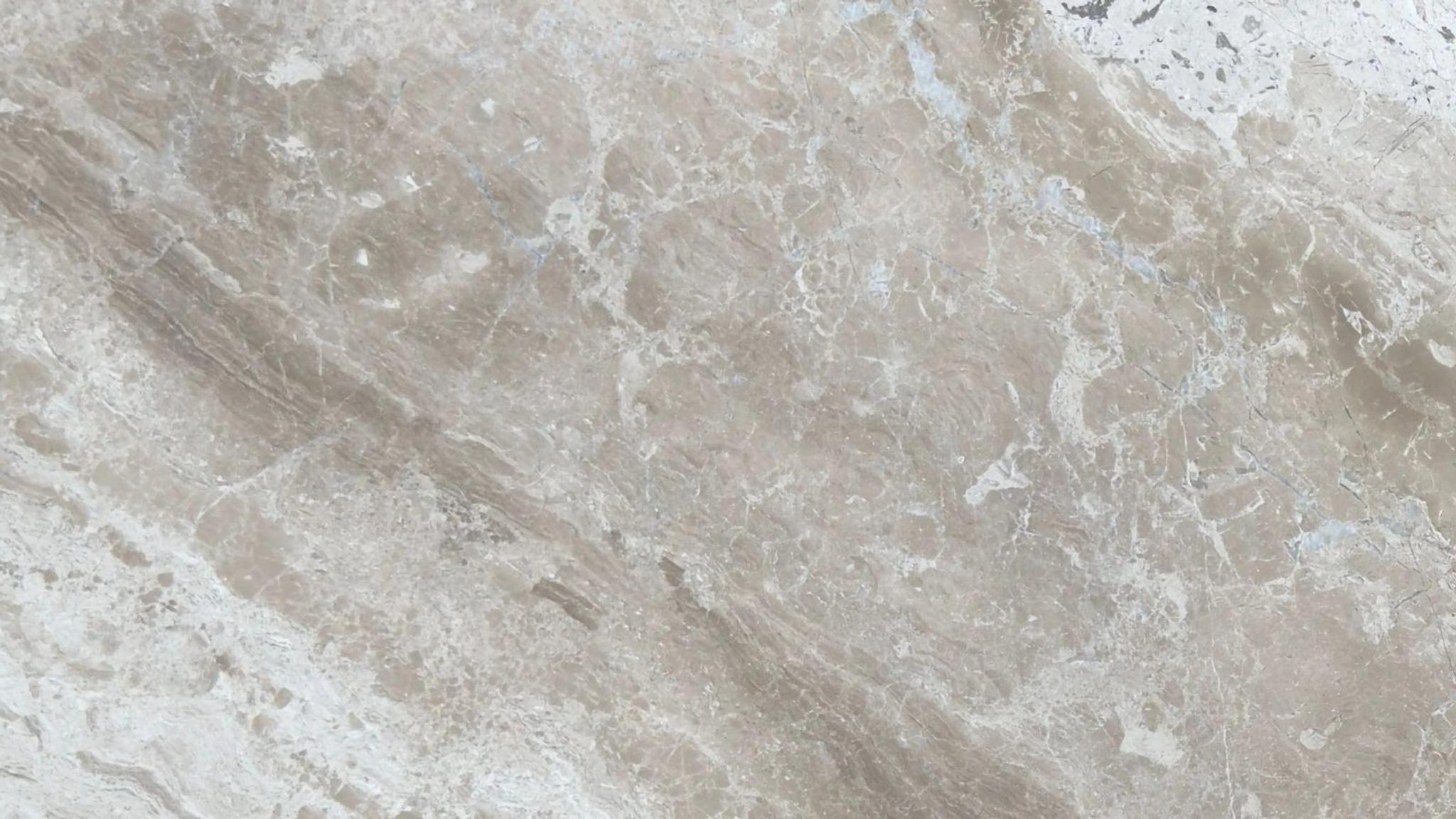
What are the pros and cons of marble at a glance?
Marble is limestone that heat and pressure have recrystallised into a dense mass of calcite crystals. That gives it its strengths, depth, veining, a high polish and low absorption, and its main weaknesses: calcite is soft and reacts to acids. This guide covers marble tiles and mosaics on floors and walls.
| Pros | Cons |
|---|---|
| Natural veining and depth that run through the stone; every piece is different | Acids such as lemon juice, vinegar, wine and many cleaners etch the surface, sealed or not |
| Takes a high polish, and also comes honed, tumbled and brushed | Soft: about 3 on the Mohs scale, so it scratches more easily than porcelain or granite |
| Low absorption: the US specification allows at most 0.20% by weight | Still absorbs oil and coloured liquids, so it is sealed and spills are wiped up |
| Works as tiles and as mosaics in many patterns, on floors and walls | Polished marble is slippery when wet and shows scratches, etching and water marks |
| Can be re-honed and re-polished on site instead of replaced | Some stones need special fixing: light marble a white adhesive, many green marbles an epoxy one |
| Suits homes, hotels and commercial interiors in classic and modern designs | Outdoors, rain slowly dulls and roughens the surface, and polish does not last |
Where does marble work best?
| Location | Verdict | What to specify |
|---|---|---|
| Living areas, hallways, hotel lobbies | Works well | Honed for busy floors, polished where shine matters more than wear; mats at the entrances |
| Bathroom floors | Works well | Honed or tumbled, or a mosaic; sealed; pH-neutral cleaning |
| Bathroom and shower walls | Works well | Any finish, including polished; white adhesive under light marble |
| Shower floors | Works, with the right finish | Honed or tumbled mosaic; waterproofing and slope behind the stone |
| Kitchen floors | Works, with care | Honed and sealed; acidic spills wiped up quickly |
| Kitchen backsplashes | Works well | Tile or mosaic, sealed; oil and acidic splashes wiped off |
| Polished floors with heavy traffic | Not ideal | Polished shows scratches and etching; honed hides wear |
| Patios and exterior paving | Choose with care | A dense marble in a textured finish; expect the surface to weather |
Is marble durable?
Yes, indoors and in the right finish. Marble floors in old buildings show how long it lasts. What it does not resist well are acids and grit: acids etch it, and sand underfoot slowly wears a polished face.
Its other strength is that wear is not permanent. A dull, scratched or etched marble floor can be re-honed and re-polished by a stone restorer, and a honed floor can be polished later if the owner wants more shine. Porcelain cannot be refinished that way.
Is marble hard to maintain?
It needs more care than porcelain, but the routine is simple:
- Dust-mop or sweep often, because grit wears the surface.
- Clean with a pH-neutral stone cleaner or mild soap, never with vinegar, lemon or acidic bathroom cleaners.
- Wipe up spills quickly, especially wine, juice, coffee and oil.
- Reseal when water drops start to darken the stone instead of beading.
Our guide to cleaning covers stains, etch marks and mould, and how to buff light etch marks out of polished marble.
Our guide to sealing covers sealers and when to reseal.
Does marble stain or scratch easily?
- Stains: marble absorbs little water, but oil, coffee, wine and coloured liquids can still soak in. A penetrating sealer slows that and gives you time to wipe a spill up.
- Etching: acids leave dull marks that look like stains but are damage to the surface. Sealing does not prevent them. They show most on polished marble.
- Scratches: at about 3 on the Mohs scale, marble scratches more easily than porcelain or granite. Honed and tumbled faces hide scratches far better than polished.
A stain is usually darker than the stone around it; an etch mark is duller or lighter. Telling them apart decides the cure: a poultice for a stain, polishing or re-honing for an etch.
Is marble slippery?
It depends on the finish. Polished marble is slippery when wet and does not belong on wet floors. Honed marble suits most indoor floors and is far less slippery, though no floor is slip proof. Tumbled marble and mosaics, with their many joints, give the most grip in bathrooms and showers. For the slip benchmarks specifiers use, see travertine, marble and limestone in showers.
For honed, polished, tumbled and brushed side by side, see our guide to stone finishes.
Is marble good for bathroom floors?
Yes, and it is one of the most common uses. Choose honed or tumbled marble, or a mosaic, for grip; seal it; and keep acidic bathroom and limescale cleaners away from it. Marble's low absorption makes it more forgiving in wet areas than more porous stones.
- Light marble: fix it with a white adhesive, so grey does not show through.
- Green marble: many green marbles are serpentinite, which can warp or stain with water-based cement adhesives. Adhesive makers recommend epoxy-based fixing for them.
Laying mosaic sheets? See our guide to installing marble mosaic.
Is marble good for kitchen floors and backsplashes?
Yes, with care, because kitchens are where acids and oil are spilt most.
- Floors: honed and sealed. Wipe up juice, wine, vinegar and sauces quickly, and put mats in front of the sink and hob.
- Backsplashes: tiles and mosaics both work, and polished is fine on a wall because nobody walks on it. Seal the stone and the grout, and wipe splashes of oil and acidic food off with a pH-neutral cleaner rather than leaving them to dry.
- Behind the hob: this is where oil and sauce splash most, so plan to wipe it often and to reseal it more often than the rest.
Planning a backsplash? See our guide to mosaic backsplashes for pattern, edges, the worktop joint and sealing.
Countertops? See our guide to marble countertops.
Can marble tiles be used outdoors?
Yes, but marble is better suited to interiors than to exterior paving. Rain is slightly acidic, and over the years it dissolves calcite and roughens exposed marble, so a polished finish will not last outside. If you do use marble outdoors:
- Choose a dense marble in a tumbled, brushed or honed finish, never polished.
- In hard frost, use a dense stone on a base that drains, because water expands by about 9% when it freezes.
- For exterior walls, have the fixing designed by an engineer.
For patios and pool decks, travertine is the more usual stone. See marble or travertine.
Is marble expensive?
It covers a wide range. Price depends on the stone, the grade, the format and the finish, and a mosaic costs more per square metre than a plain tile of the same stone because of the cutting and assembly. Compare quotes for the same size, thickness and finish, and compare the landed cost rather than the price per square metre alone.
For standard sizes and thicknesses, see our guide to tile sizes and thickness.
Is marble the right stone, or is there a better alternative?
Porcelain: it absorbs 0.5% of its weight in water or less, needs little upkeep and does not etch, but a stone-look porcelain carries a printed image of stone. Marble is the real stone, and its veining runs through the piece.
- Marble or porcelain tile: upkeep, etching, repair and marble-look porcelain compared.
- Marble or travertine: marble is denser and takes a high polish; travertine is warmer and more textured.
- Limestone or marble: limestone is more matte and even; marble is usually denser.
- Turkish or Italian marble: what the names on the box do and do not tell you.
Marble from our factory
We produce marble tiles and mosaics at our factory in Denizli, Türkiye, in polished, honed, tumbled and brushed finishes, for wholesale and project orders, including white, grey, black, red and green marbles and designs that combine them. Tell us the stone, format, finish and total area, and we will quote for your specification. See marble mosaics for examples of past production.
Sourcing marble? See marble from Turkey and Turkish Carrara marble.
Frequently asked questions
- What are the disadvantages of marble flooring?
- It etches with acids, scratches more easily than porcelain or granite, needs sealing against oil and coloured liquids, and polished marble is slippery when wet. Honed marble hides most of these problems far better than polished.
- Is marble good for bathroom floors?
- Yes. Use honed or tumbled marble, or a mosaic, for grip, seal it, and clean it with pH-neutral products only. Marble absorbs little water, which makes it forgiving in wet areas.
- Is honed marble slippery?
- Much less than polished marble, and it suits most indoor floors. No floor is slip proof: on shower floors use a honed or tumbled mosaic, whose joints add grip.
- Does marble scratch easily?
- More easily than porcelain or granite: it is about 3 on the Mohs scale. Grit underfoot does most of the damage, so dust-mop often and choose honed for busy floors.
- Is marble good for a kitchen backsplash?
- Yes. Tiles and mosaics both work, and polished is fine on a wall. Seal the stone and the grout, and wipe oil and acidic splashes off quickly, especially behind the hob.
- Can marble be used outdoors?
- It can, but it suits interiors better. Rain slowly dulls and roughens exposed marble, so use a dense stone in a textured finish, never polished, and in hard frost lay it on a base that drains.
Sources
- Geology.com, Marble: metamorphic rock
- ASTM C503/C503M, Standard Specification for Marble Dimension Stone (absorption limit as given in the 2010 edition)
- U.S. Geological Survey, How does acid precipitation affect marble and limestone buildings?
- Natural Stone Institute, Care and cleaning of natural stone